In Algona, hoarding cleanup most often surfaces through estate situations, family interventions, or a property sale that can’t move forward until the home is cleared. Whatever the trigger, the process benefits from a structured, room-by-room approach that treats the space — and its history — with care.
Severe accumulation in Algona’s older residential homes
Algona’s housing stock is largely mid-century, and a meaningful share of those homes have stayed in one family for generations. Long-term single ownership is exactly the condition under which accumulation deepens: rooms that were once spare fill up gradually, pathways through living areas narrow, and outbuildings become secondary storage that eventually overflows back into the house.
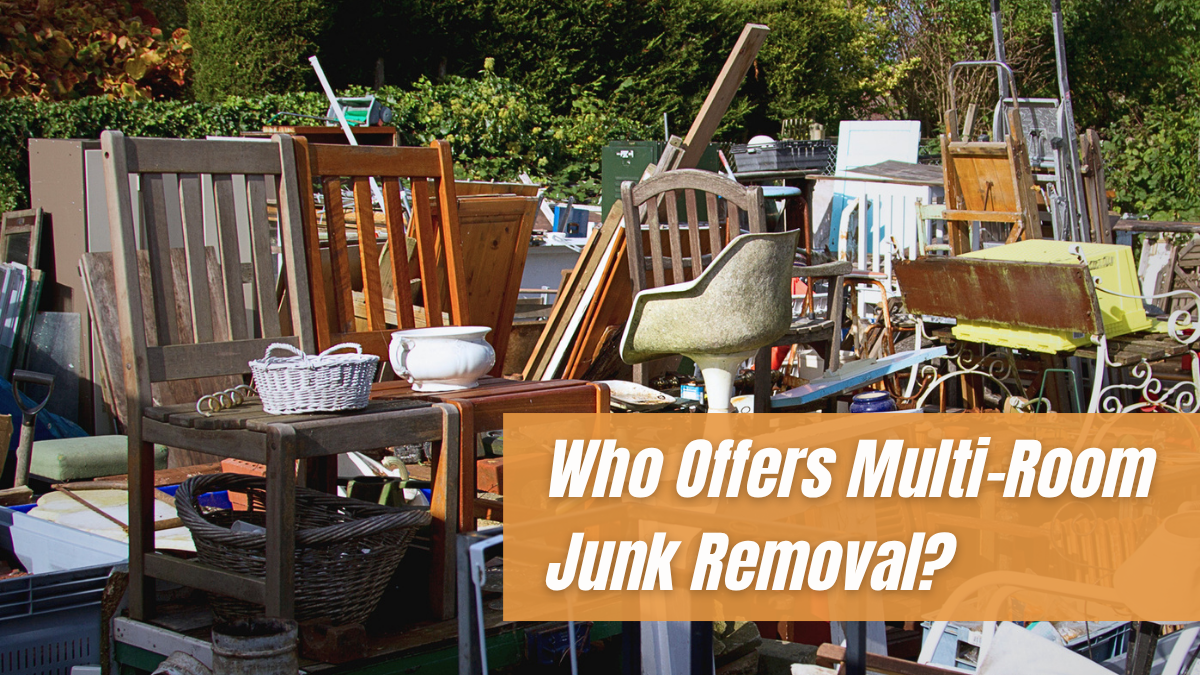
By the time a family intervention or estate process begins, the volume is often far beyond what anyone expected. Every room may hold layered belongings — stacked boxes, furniture crowded against walls, appliances stored in hallways, and closets so full the doors no longer close. The outside can mirror the inside, with yards and sheds carrying the same decades of accumulation.
This isn’t unusual for Algona properties. The city’s combination of older housing, long-term ownership patterns, and limited municipal bulk-pickup options means that accumulated items rarely leave on their own. A professional cleanup service brings the capacity and the process to move everything out without requiring the family to sort it all themselves.
Clearing a hoarded property room by room
- Assess the full scope — every room, closet, hallway, garage, shed, and outdoor area is walked before any work begins, so the job is understood completely from the start.
- Establish a clearing sequence — rooms are prioritized based on access and volume, usually starting with the spaces that create the most blockage.
- Remove items systematically — belongings get cleared in passes, working from accessible areas inward, until each space is fully emptied.
- Handle heavy and hazardous materials — appliances, furniture, compromised materials, and oversized items are addressed as part of the service, not deferred.
- Final walkthrough — once the property is clear, a walkthrough confirms that all spaces — including secondary areas like attics, crawl spaces, and detached structures — have been addressed.
- Flat-rate pricing — a single agreed price covers the full scope before work begins, with no adjustments based on weight or time once the job is underway.
Long-term ownership and the buildup behind closed doors
Algona is a small city of roughly 3,200 people, situated between Auburn and Pacific in King County. It’s the kind of community where a family can own the same house for forty years without anyone on the outside noticing how the interior has changed. When those properties eventually surface through an estate or a family decision, the condition can be a significant surprise.
Discreet service matters in a community this size. Cleanup work that proceeds quietly — without unnecessary equipment staging in the street or extended disruption to the neighborhood — is part of what makes the process manageable for families navigating a sensitive situation.
Restoring a property to livable condition after years of accumulation
The end goal of hoarding cleanup is a property that’s genuinely usable again — not just partially cleared, but emptied fully enough that the next step (a sale, a renovation, a family member moving in) can actually proceed. That requires handling the full scope of what’s present, including the parts that are difficult to access or heavy to move.
A licensed and insured service with same-day availability keeps the timeline from stalling. Whether the situation was identified recently or has been building for years, the property gets restored to a neutral baseline — cleared, accessible, and ready for whatever comes next.