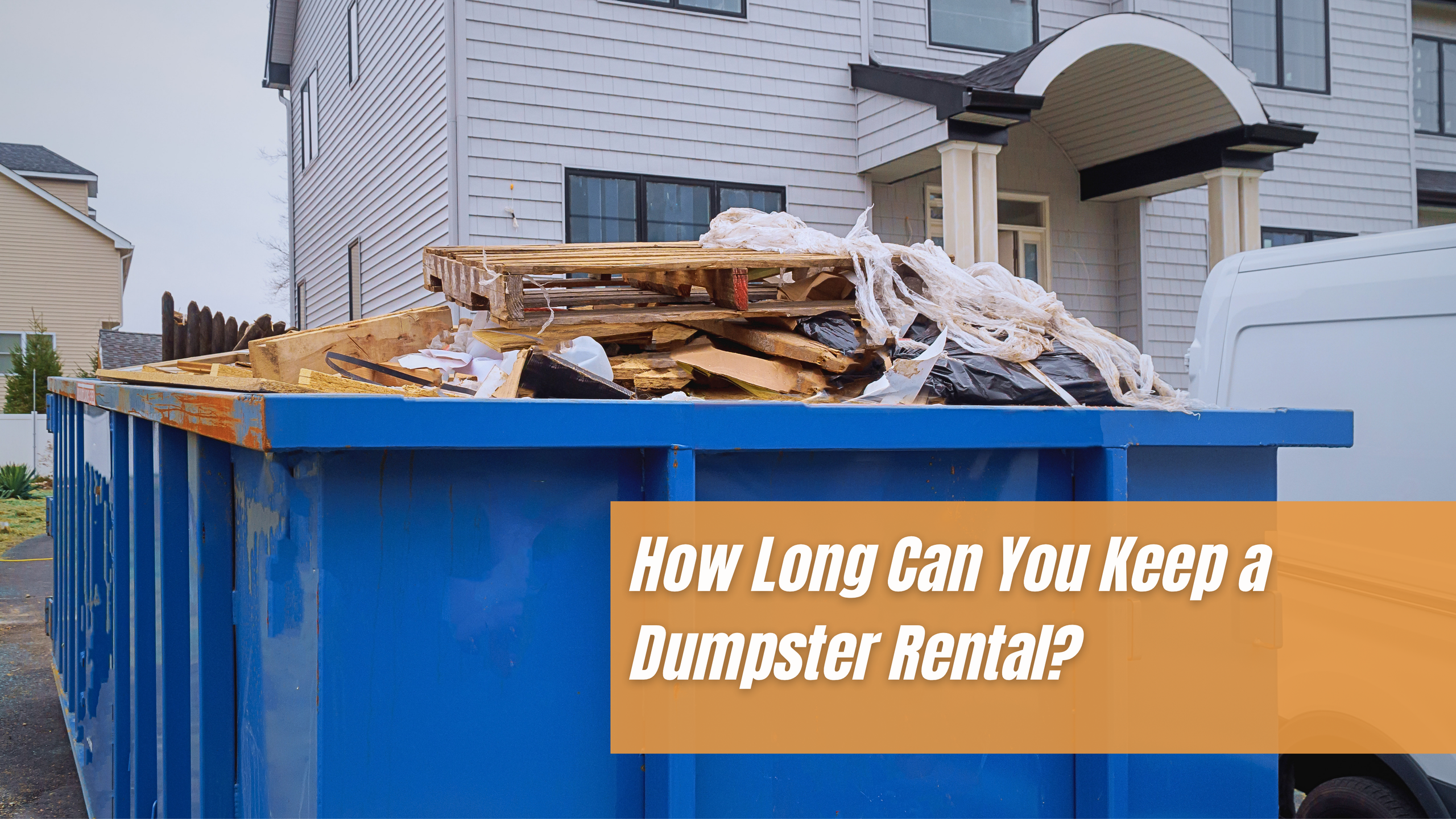
Bonney Lake sits on an elevated plateau east of Sumner and Puyallup, but the Pacific Northwest storm season affects plateau properties the same way it affects valley communities — wind damage, tree falls, and water intrusion from roof events or ground saturation are all realistic scenarios for homes in this area. When damage happens, the debris that accumulates before and during repairs has to be removed before restoration contractors can begin their work.
Wind events and tree falls in Bonney Lake’s suburban neighborhoods
Bonney Lake’s residential subdivisions were developed through the 1990s and 2000s, which means the trees planted during those construction phases have now had two to three decades to grow to significant size. When a Puget Sound wind event hits, those maturing trees become the primary debris risk — branches come down across roofs and driveways, whole trunks split at the base, and the structural material from failed trees lands wherever the wind puts it.
The debris from a significant tree fall is different from standard yard waste. A split trunk that has dropped across a fence, a branch mass spread across a roof and driveway, or a root ball that has pulled up a section of yard creates a multi-material, heavy debris load that standard waste pickup can’t handle. Getting it out requires a truck, equipment, and a plan for moving structural debris off the property in one organized haul.
Same-day service means the driveway gets cleared, the roof-load branch mass gets removed, and the contractor who needs to assess the fence or roof damage can access the property the same day.
Water damage and the clearance timeline after a roof event
A roof failure during a Pacific Northwest storm lets water in fast. Once water is inside a Bonney Lake home, the damage to contents — flooring, drywall, insulation, furniture, cabinetry — accelerates over hours and days. The clearance timeline after a water event has real consequences: the longer damaged material stays in place, the more the moisture spreads, the harder it becomes for restoration contractors to work, and the stronger the case for mold remediation becomes.
Disaster clean up removes the damaged material so the restoration phase can start:
- Walk the affected areas and identify damaged contents — waterlogged furniture, compromised drywall, soaked insulation, ruined flooring sections.
- Confirm what stays and what goes; items that can be dried and salvaged get separated from material that must leave.
- Schedule same-day removal; flat-rate pricing is set before work begins.
- Damaged material gets removed from the property in a single haul.
- The cleared space gets confirmed before the restoration crew takes over.
Older plateau properties and the hidden debris problem
Some of Bonney Lake’s older plateau properties — built before the city’s major development wave — have structures that sustained deferred-maintenance damage before a storm event made it acute. Roof failures in older homes may reveal accumulated attic debris, deteriorated insulation, and structural material that was already compromised. Disaster clean up in those situations handles a deeper clearance than a simple storm debris removal — the full scope of what needs to leave gets assessed, and the flat rate reflects the actual load.
Licensed and insured removal for Bonney Lake insurance documentation
Flat-rate pricing on a disaster clean up job provides a clear, documented cost for the removal phase — which is a line item on most storm damage insurance claims. Licensed and insured service means the removal is covered and conducted in a way that doesn’t create additional liability while the property is in a damaged state. Getting the clearance documented early, before repair work changes the property’s condition, supports the insurance review process.
Same-day availability in Bonney Lake means the debris removal doesn’t extend the gap between when damage occurs and when restoration begins.