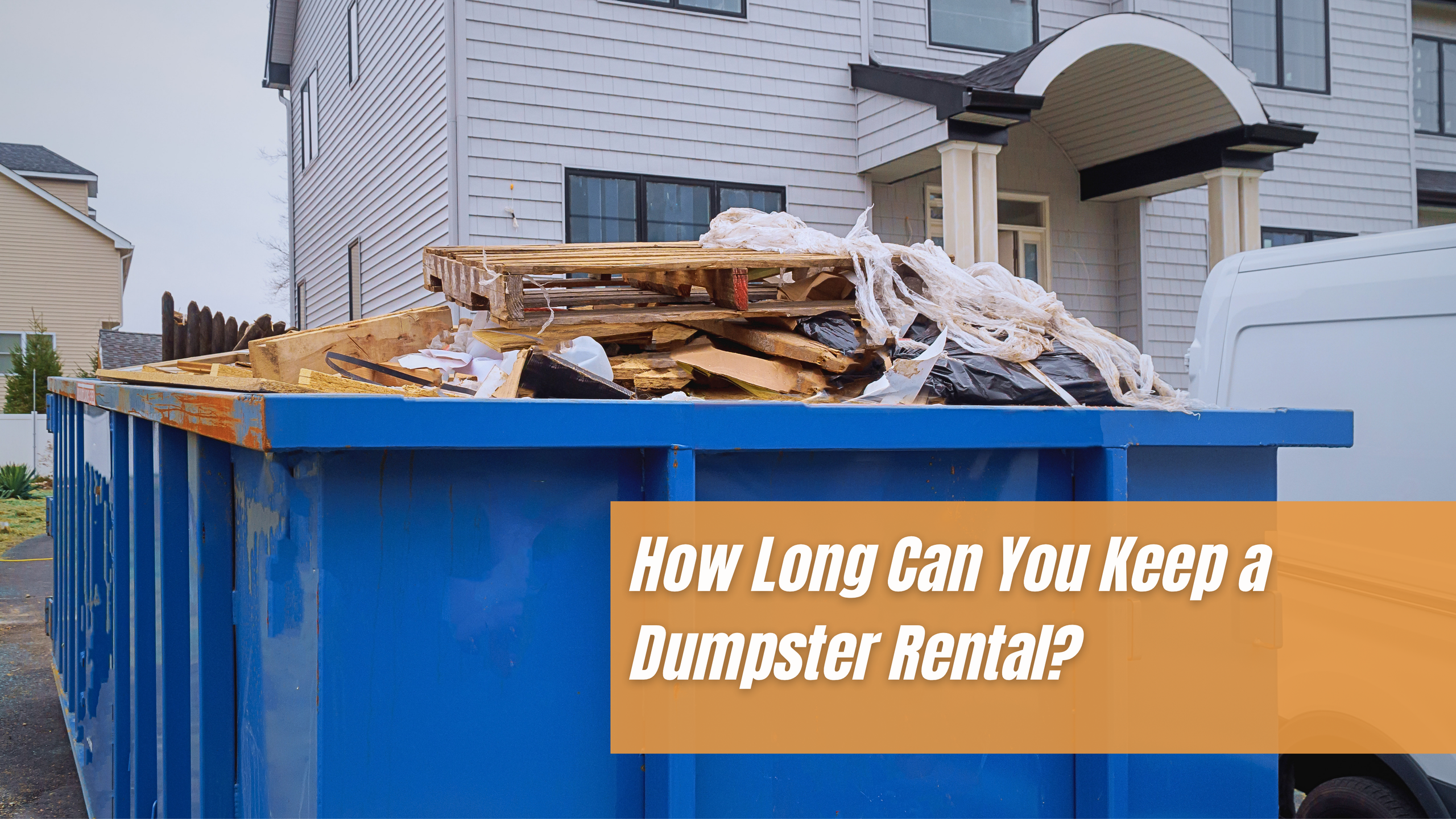
Bulk trash accumulates differently in a dense suburban city like Burien than it does in newer developments. With compact lots, limited storage space, and a housing stock built decades before the era of oversized garages, material builds up inside homes and yards until a single cleanout produces more than any standard residential pickup can handle.
What fills up in Burien’s compact lots over decades
Burien’s neighborhoods were built out primarily between the 1950s and 1980s, and the homes reflect that era: smaller floor plans, detached one-car garages, and covered porches that became informal storage annexes over the years. When a long-time resident moves out, an estate gets settled, or a property changes hands, the accumulated contents often run to multiple truckloads — a category that municipal bulk pickup wasn’t designed for.
The material tends to be mixed: broken furniture, obsolete appliances, bagged household debris, yard waste, old tools, and the miscellaneous buildup of decades of normal use. None of it qualifies as a single-category item, and that mix is exactly what bulk trash pickup handles. The load gets assessed, the flat rate gets set, and everything goes in one job.
Burien’s rental market adds a recurring version of the same situation. When a long-term tenant vacates, the unit frequently holds items left behind that the landlord needs cleared before a cleaning crew can turn the space. That category — mixed abandoned property, broken furniture, bagged trash — is bulk trash in practice even when no single item is especially large.
Scheduling a full-property bulk removal
- Identify what needs to go. Walk the property — interior rooms, garage, yard, porch — and confirm what’s being removed. Mixed loads are expected; bulk trash pickup isn’t limited to a single item type.
- Consolidate where possible. Moving loose items to one staging area (a garage, driveway, or main room) speeds up load-out, though items too heavy to move don’t need to be pre-staged.
- Set the flat rate. The load gets sized before work starts, and the price is confirmed. Same-day service is available.
- Load out. Everything on the list gets removed in a single visit. Flat-rate pricing holds even if the load fills out larger than initially estimated.
- Confirm the space is clear. A walkthrough verifies nothing was missed before the job closes.
Burien’s proximity to SeaTac and tenant turnover timing
Burien borders SeaTac Airport, and the rental density near the airport corridor means property managers in this part of the city deal with faster-than-average unit turnover. When a unit clears out, the leftover bulk debris has to move before the next tenant’s move-in date. Pickup gets scheduled for the same day when routes allow — removing the debris bottleneck that would otherwise hold up the full turnover timeline.
When a single truckload isn’t enough
Some Burien properties — especially those going through estate settlements or long-deferred cleanouts — produce more material than a single standard load. Flat-rate pricing applies to the actual load volume, so the job gets scoped for what’s really there, not a minimum estimate. Whether a property yields one truckload or several, bulk trash pickup scales to the job rather than capping at an arbitrary limit.