Garage cleanouts in Federal Way tend to surface the same pattern: a two-car garage that hasn’t held a car in years, packed with decades of accumulation from a home that’s been through multiple occupancy cycles. The 1970s–1990s housing stock that defines most of Federal Way’s residential neighborhoods produced homes with attached garages sized for that era’s vehicles and storage habits — and those garages have absorbed decades of household overflow since.
Decades of Accumulation in Federal Way’s Suburban Garage Stock
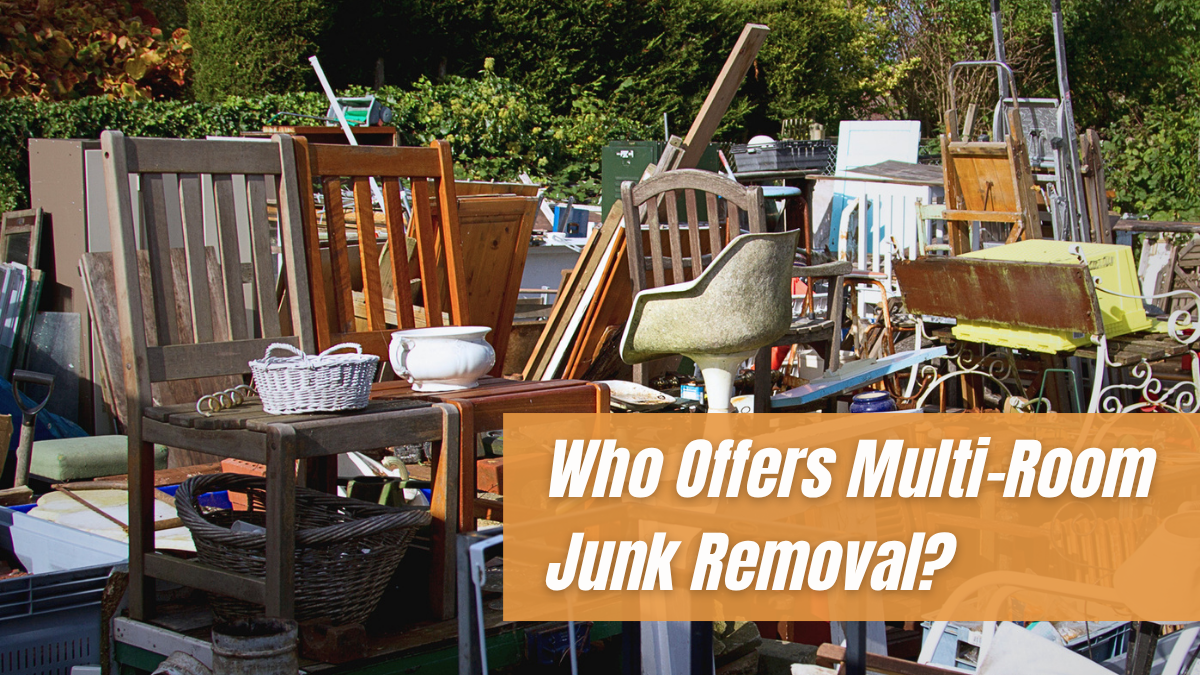
Federal Way’s single-family homes were built in high volume between the 1970s and 1990s, and the attached garages on those homes have served as catch-all storage spaces for the decades since. Lawn equipment that no longer runs, furniture displaced by household changes, boxes from moves that were never fully unpacked, construction materials from projects that were started or planned but never finished, and general household overflow all end up in garages. When a homeowner decides to reclaim the space — whether for vehicles, a renovation project, or in preparation for a sale — the accumulated volume can be significant.
Estate transitions and property sales drive a large share of Federal Way’s garage cleanout volume. A home that has been in a family for twenty or thirty years has a garage that reflects that time span. The contents aren’t just junk — they’re a combination of functional items, outdated equipment, sentimental belongings that need to be sorted, and bulk material that simply needs to leave. Flat-rate pricing established before the job starts accounts for the full volume so there are no surprises when a garage turns out to hold more than it looked like from the door.
The city’s active housing market, with regular estate sales, family home transitions, and investor property purchases, keeps garage cleanout demand steady throughout the year. Same-day scheduling means the cleanout can happen when the homeowner, estate executor, or new property owner is ready — not on a weeks-out calendar slot.
How a Federal Way Garage Gets Fully Cleared
- Establish what stays. Before anything moves, any items designated to remain in the garage or the home are identified and set aside.
- Sort and stage. Material gets sorted as it comes out — items for disposal, materials that can be recycled, and anything that needs special handling.
- Clear floor to ceiling. Shelving, wall-mounted storage, overhead racks, and floor piles all get addressed. The full garage interior is cleared, not just the accessible surface areas.
- Load the truck. All removed material is loaded and taken off the property.
- Sweep out. The garage is left clear and swept before the job closes.
Federal Way’s Housing Turnover and Pre-Sale Garage Clearing
Federal Way’s housing market sees consistent transaction volume — an active resale market driven by the city’s affordability relative to closer-in King County cities, estate sales from an aging homeowner population, and investor purchases of properties for renovation. In each of these cases, a packed garage represents an obstacle to the transaction: inspectors can’t assess garage-related systems, buyers can’t evaluate usable space, and contractors preparing for a renovation can’t stage materials or access garage-based utilities. A cleared garage removes that obstacle the same day the job is scheduled.
Why Suburban Garage Volume Consistently Exceeds Expectations
Federal Way garages are bigger than apartment storage units and smaller than commercial warehouse space — a size that encourages long-term accumulation without triggering the cleanout that comes when a storage unit gets too expensive or a warehouse gets too full. That middle-ground size is exactly why garage cleanouts tend to reveal more volume than the initial walkthrough suggests. Licensed and insured service means the property owner is covered for the work regardless of what the cleanout uncovers, and flat-rate pricing means the final cost reflects the scope established at the outset of the job.