Garages in Graham are a different category from garages in denser suburban areas. On the semi-rural and rural properties common throughout this unincorporated Pierce County community, a “garage” might mean a two-car attached structure, a large detached workshop building, a converted agricultural outbuilding, or some combination of all three spread across a half-acre or more. Decades of accumulation — tools, equipment, stored furniture, automotive parts, farm materials — can fill these spaces completely, turning functional structures into unusable storage that the household works around rather than through.
The Scale of Garage Accumulation on Graham Properties
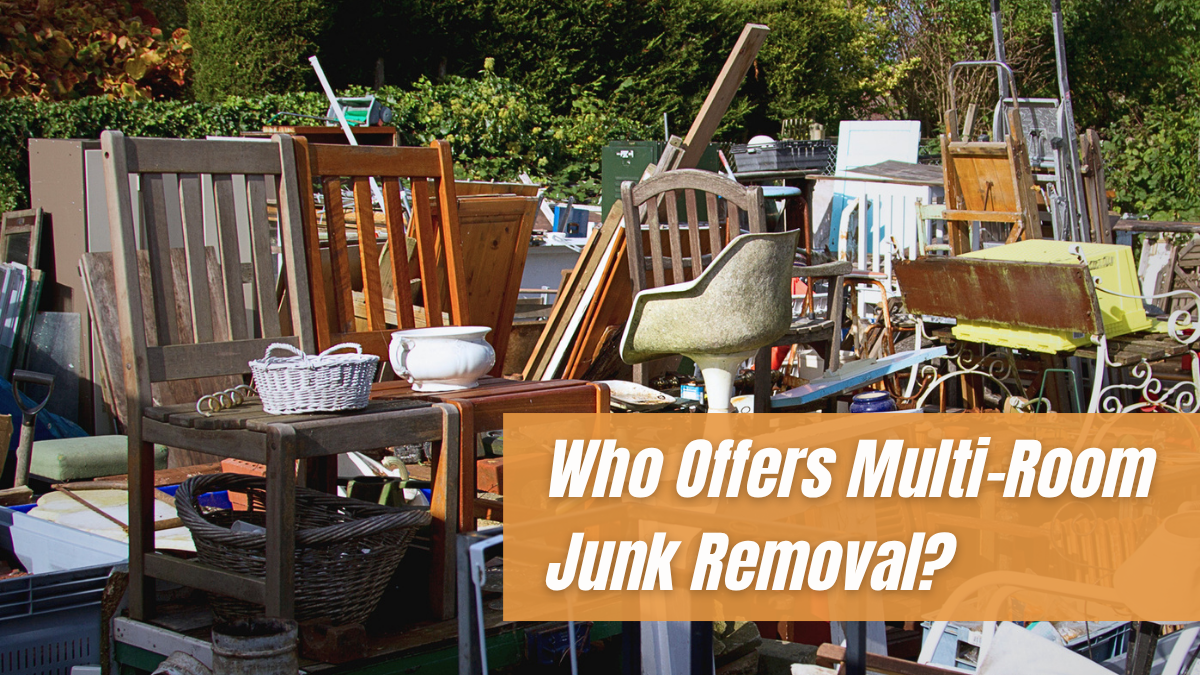
Graham’s larger lots create the conditions for serious garage accumulation. When there’s space to keep things, things get kept. A detached garage that started as vehicle storage becomes a workshop, then a storage space, then an overflow area for everything that doesn’t fit in the house. Over time, the floor space disappears under layers of accumulated items, the shelves collapse under weight, and the structure itself becomes a liability rather than an asset.
A full garage cleanout on a Graham property commonly involves hundreds of individual items: hand tools and power equipment, stored hardware, automotive parts, old appliances, furniture that moved from the house years ago, building materials from projects that never happened, and bulk debris that accumulated in corners over seasons of deferred cleanup. Flat-rate pricing covers that volume — confirmed before work begins, not tallied per item as the cleanout progresses.
Detached Garages and Workshop Buildings
Many Graham properties have detached garages or dedicated workshop buildings separate from any attached vehicle storage. These structures develop their own accumulation patterns over time, often driven by a specific interest or trade: a woodworking shop that has outgrown its organized phase, an automotive space where project cars and parts have taken over, a general-purpose workshop where “I’ll deal with that later” has compounded for a decade.
Getting these spaces cleared requires moving items that range from small hardware bins to large built-in workbenches to heavy equipment that may have been in place since the building was constructed. Licensed and insured service means the cleanout proceeds under proper coverage, and same-day service means the job gets scheduled and started on the same day without a multi-week wait.
Converting Unusable Storage Back to Functional Space
A garage cleanout isn’t just disposal — it’s the step that makes the structure usable again. A two-car garage that currently holds zero cars becomes vehicle storage. A workshop that’s been inaccessible for three years becomes a working space again. A barn-style outbuilding cleared of accumulated junk can return to its intended agricultural or storage use.
The cleanout itself is straightforward: everything confirmed for removal gets cleared out in one visit, the space is emptied, and the structure is ready for whatever comes next — reorganization, renovation, or simply parking cars in a garage for the first time in years. Same-day service means the turnaround from booking to empty space can happen within a single day.
Agricultural Outbuildings That Function as Garages
Graham’s agricultural heritage means some properties have structures that started as barns or farm buildings and evolved into general-purpose storage over the years. These outbuildings — with their wide spans, low entry clearances, and construction that predates modern framing standards — require a different approach than a standard residential garage.
Flat-rate pricing covers the full scope of an outbuilding cleanout under a single agreed number, whether the structure holds old farm equipment, bulk materials, stored vehicles, or a general accumulation of decades of semi-rural property ownership. Licensed and insured service applies to outbuilding cleanouts just as it does to attached garages — the coverage doesn’t stop at the main structure’s footprint.