Hoarding cleanup in the JBLM area carries dimensions that aren’t always visible from the outside of a property. The base community’s pattern of high housing turnover means properties change hands regularly — and when a hoarding situation surfaces during a property transition, the clearing timeline is often already compressed. Whether the cleanup is initiated by the resident, a family member, a landlord, or a property manager, the job requires both the capacity to handle large volumes and the patience to work through a space that has built up over months or years.
The Scale of Accumulation in JBLM-Area Homes
Homes near JBLM follow a relatively consistent footprint — planned construction from the 1990s through 2010s, compact floor plans, attached garages, and structured neighborhood layouts. When a hoarding situation develops inside that footprint, the accumulation tends to fill every available space: living rooms where pathways have narrowed to single-file, bedrooms with stacked items reaching toward the ceiling, kitchens where only a portion of the floor is usable, and garages that have become secondary storage for everything that no longer fit inside.
The volume is real, and clearing it takes time. A hoarding cleanup gets approached room by room, with each space worked through completely before moving on.
Sorting Through What Stays and What Goes
Not everything in a hoarded space is waste. Documents, personal photographs, medications, valuables, and meaningful items can be buried under layers of accumulation that look uniform from the outside. A thorough hoarding cleanup accounts for this — items are pulled and assessed rather than bulk-loaded without review.
Flat-rate pricing covers the full clearing job at a single agreed number. The rate reflects the scope of the work, not the number of trips or hours — which means there’s no incentive to rush past the sorting process that a careful cleanup requires.
Structural Conditions Inside Hoarded JBLM Homes
Long-term hoarding creates conditions that go beyond clutter. Flooring under heavy stacked items may show compression or soft spots. Wall surfaces may be damaged where items have been stored against them for extended periods. HVAC vents, smoke detectors, and electrical panels can be buried or obstructed. None of these are cleaning problems — they’re conditions that the cleanup itself can reveal, and they’re worth identifying during the removal process so the property owner or manager knows what to address next.
Licensed and insured service means the cleanup proceeds under coverage. If something unexpected is uncovered during the clearing process — a structural issue, water damage under stored items, or a safety concern — the work continues safely and documented.
Exterior Areas and Secondary Spaces
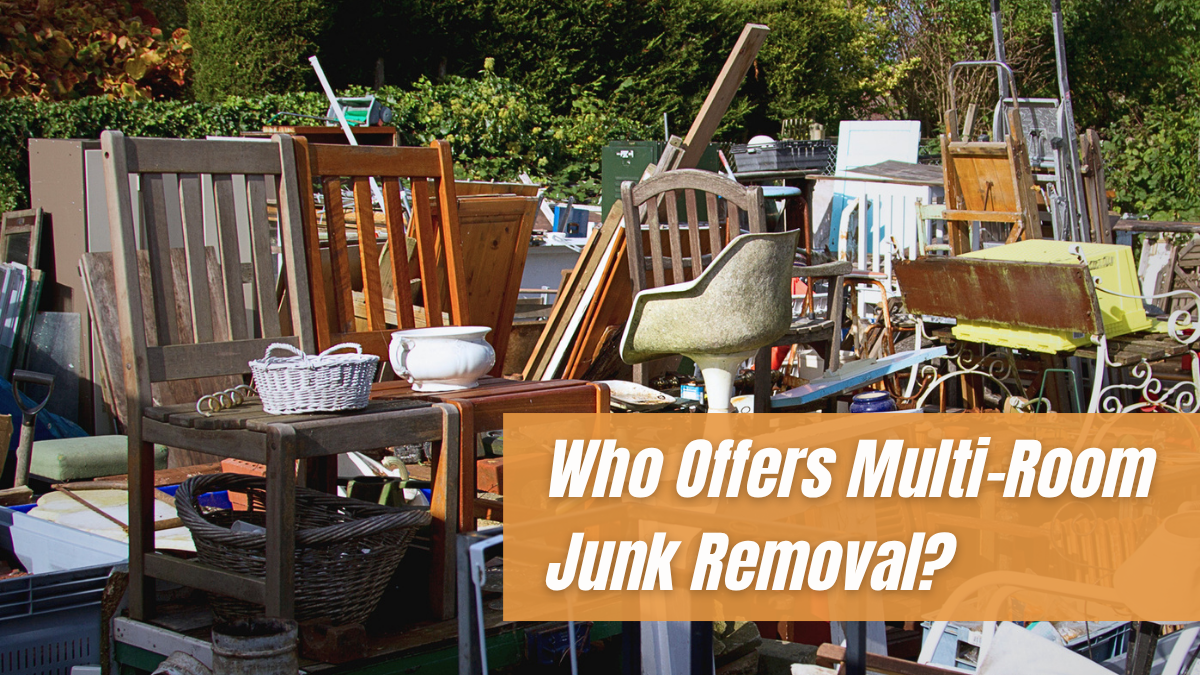
Hoarding patterns in JBLM-area homes often extend beyond the main living space. Attached garages fill with a separate accumulation of their own — boxes, tools, stored items, broken appliances, and bags of collected materials that never made it inside. Patios and yard edges can hold outdoor accumulation: furniture, storage tubs, piled materials, broken equipment. A complete hoarding cleanup addresses all of these spaces, not just the interior rooms.
Discretion During the Cleanup Process
Hoarding cleanups in residential neighborhoods benefit from a low-key approach. On-base communities and the planned neighborhoods near JBLM are compact — neighbors are close, and a visible cleanup can draw attention. The job gets done without unnecessary disruption: work proceeds efficiently, items are loaded without spectacle, and the property is cleared without the process becoming a neighborhood event.
Same-day service means the cleanup can be scheduled and started quickly once the decision to move forward is made.