Lakefront properties at Lake Tapps sit at the intersection of two damage risk factors: they’re exposed to the weather patterns that come across the water, and they’re built on terrain that slopes toward the shoreline. Wind events that track across the lake surface hit waterfront structures with more force than they hit inland properties. When a windstorm, ice event, or flooding episode damages a Lake Tapps property, the cleanup involves more than just the main house — docks, boat sheds, outdoor structures, and the yard all need to be cleared before repair work can begin.
Wind and Storm Damage at the Water’s Edge
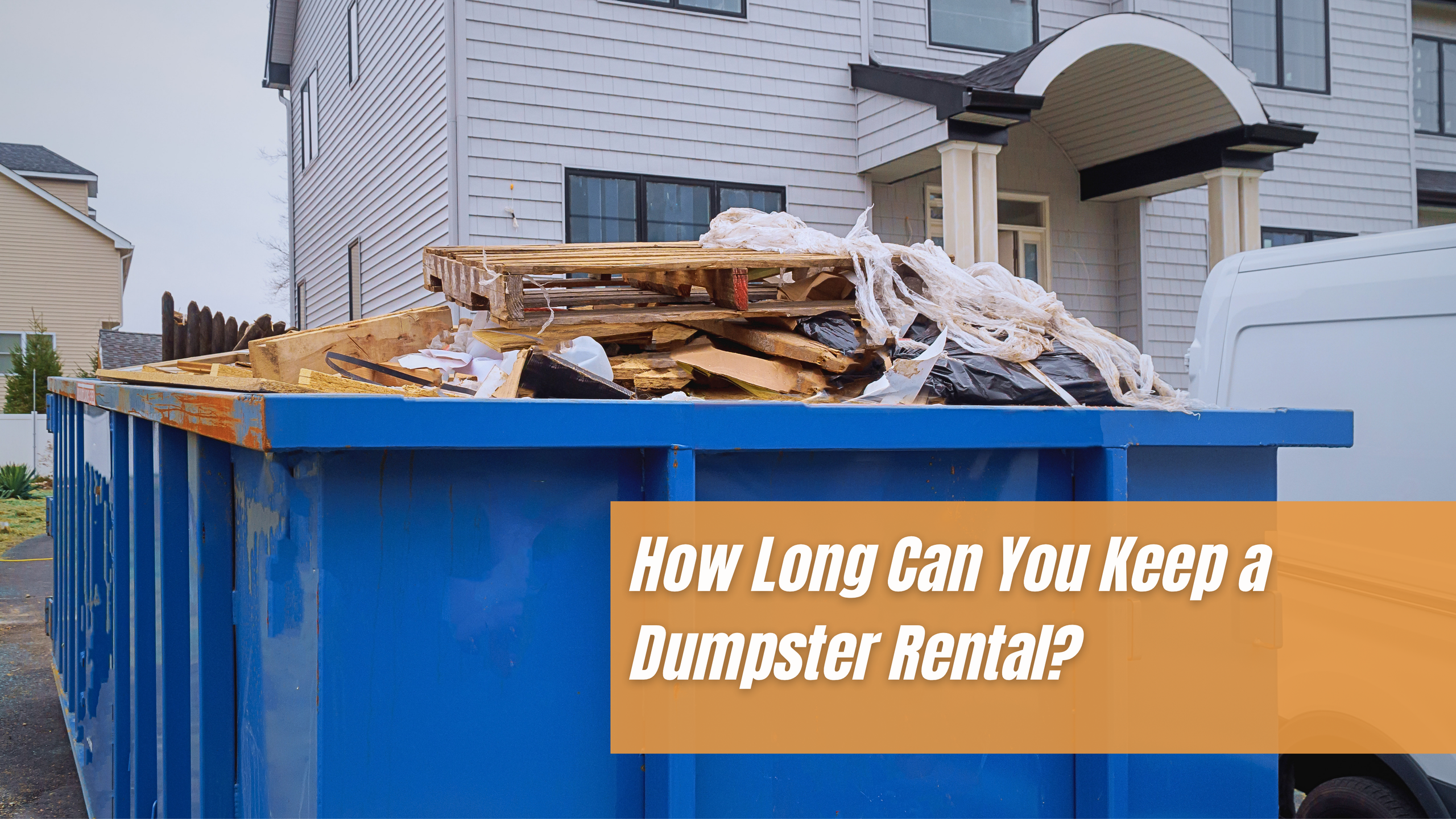
Structures built at the shoreline — docks, covered boat storage, lakeside decks, and waterfront outbuildings — are exposed to wind events that approach across open water without the windbreak that inland lots have. A strong windstorm can scatter dock furniture across the yard, take down sections of roofing on a boat shed, deposit tree debris across the access path to the water, and leave large branches and structural material that has to be cleared before the property is usable again. Storm debris removal handles that volume and gets it off the property the day the cleanup is ready to begin.
Flooding and Water Intrusion on Sloped Lots
Lake Tapps water levels are managed as part of reservoir operations, and the shoreline properties sit on grades that drain toward the water. Heavy rainfall events can push water into lower-level areas of lakefront homes — crawl spaces, basement-level storage, and below-grade utility areas. When water intrusion damages stored belongings, furniture, or equipment at a lower level of the property, that material has to come out before remediation can proceed. Same-day service means the water-damaged contents are removed as soon as the assessment confirms what has to go.
Clearing Debris From Dock and Shoreline Structures
Dock repairs and replacements following storm damage generate debris that’s often bulky, heavy, and awkward: sections of decking, dock hardware, flotation components, and structural framing. This material can’t sit stacked near the water while waiting on a pickup window — it’s a safety hazard on a property with active foot traffic to and from the dock. Flat-rate pricing covers the full scope of shoreline and dock debris removal, so the property owner knows the cost before the clearing starts rather than being billed by load.
Fire Damage Debris on Properties With Multiple Structures
The detached garages, boat sheds, and outbuildings common to Lake Tapps properties mean a fire event can generate debris across more than one structure. Even a fire limited to a single outbuilding leaves charred structural material, melted contents, and demolition debris that requires removal before the site can be assessed for rebuilding. Disaster clean up in these cases works structure by structure, clearing the site completely so the repair or rebuild phase can proceed without working around debris.
Coordinating Removal With Insurance and Remediation Timelines
Disaster clean up on an insured property typically needs to happen within a specific window — documentation is complete, the adjuster has assessed the damage, and the remediation contractor is ready to start. Licensed and insured service fits that process: the removal is covered under the same standard the property owner holds their other contractors to, and the cleanup completes on the timeline that keeps the remediation moving forward rather than stalling it.