The attached two-car garage is a defining feature of Lakeland Hills’ single-family housing stock — and it’s one of the most consistently overlooked spaces when a household decides to address its accumulation. Built-in garages in 2000s-era planned communities were designed for vehicles, but they’ve largely been colonized by the items that no longer fit inside the home: sports equipment from activities that have come and gone, tools purchased for projects that completed years ago, seasonal furniture without a better storage location, and the category of belongings that got moved to the garage when they stopped having a clear place indoors. After twenty years, that accumulation is substantial.
Twenty Years of Suburban Accumulation in a Two-Car Bay
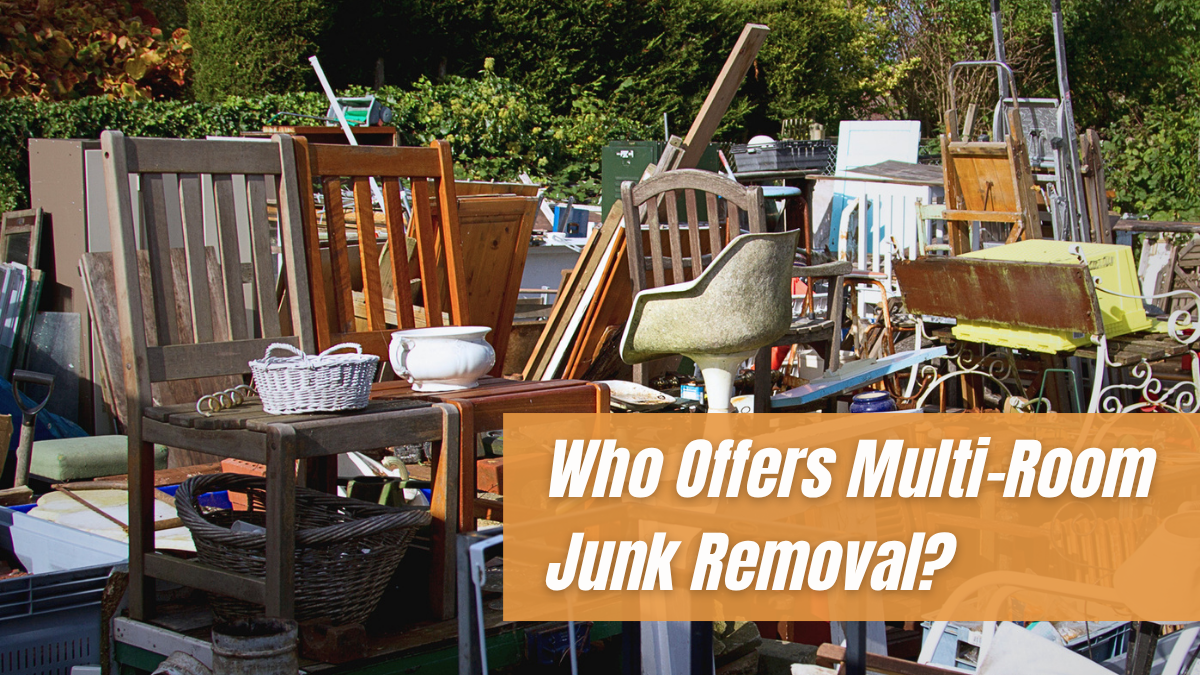
Lakeland Hills homes built between 2000 and 2010 are now old enough that the garage reflects the full arc of the household’s occupancy. The early years brought the items that didn’t fit in a newly furnished home. The family years added sports equipment, outdoor toys, camping gear, and the tools of every home improvement project the household undertook. The transition years added the furniture that got replaced and the appliances that stopped working but weren’t disposed of immediately. A garage cleanout at a Lakeland Hills home typically requires addressing all of it — not just the surface layer.
Flat-rate pricing covers the full load. The quote is based on the scope of what needs to come out, confirmed before work begins, so the homeowner isn’t watching a per-item total grow as the space empties.
HOA Visibility Standards and the Garage Door
Lakeland Hills HOA enforcement includes the visible condition of garages when the door is open. A garage that’s been accumulating for years and is packed to the point of being visible from the street — or that prevents the homeowner from parking inside and results in vehicles always on the driveway — draws HOA attention. The cleanout resolves the underlying condition, not just the surface appearance.
Same-day service means the cleanout happens the day it’s scheduled, not weeks later after a long waitlist. The garage clears in a single visit, and the HOA compliance issue resolves the same day.
Resale and the Garage Walk-Through
When a Lakeland Hills home goes to market, buyers walk through the garage with the same attention they give the interior. A garage that’s clean, organized, and functional reads as evidence of a well-maintained home. A garage that’s been used as overflow storage for years reads the opposite way. Sellers preparing for listing often schedule a garage cleanout as part of the pre-market preparation — the space empties, the home shows better, and the condition signal to buyers is improved.
Licensed and insured service covers the extraction of heavy items — old chest freezers, workbench equipment, stacked material — that have been in place long enough that safe removal requires more than one person and a handcart.
Sorting the Useful From the Removable
A garage cleanout isn’t necessarily a remove-everything operation. Many Lakeland Hills homeowners have tools, equipment, and stored items in the garage that they want to keep — alongside the items that have accumulated without a purpose and genuinely need to go. The cleanout process accommodates a designated-keep section: items the homeowner identifies as staying get set aside, and everything else gets loaded. The homeowner ends up with a garage that holds only what’s actually being used.
Cleanouts in Advance of a Major Garage Renovation
Some Lakeland Hills homeowners are upgrading their attached garages with epoxy flooring, built-in storage systems, or workshop configurations — investments that require the space to be completely empty before installation begins. A garage cleanout ahead of the renovation clears the space efficiently so the installation contractor can work from a blank slate rather than working around accumulated contents that still need to move.