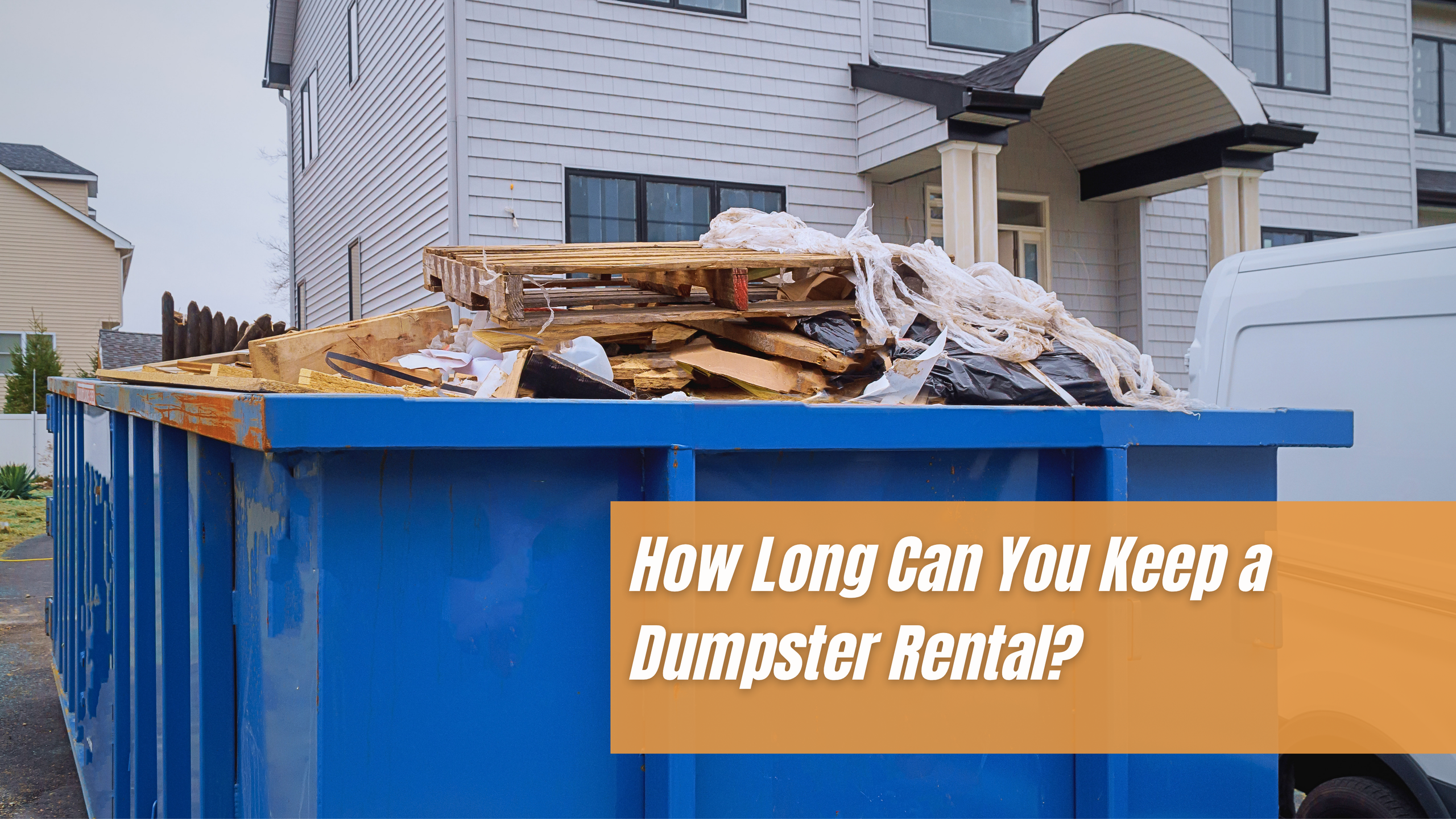
Lakeland Hills is an HOA-managed community where exterior appearance standards are enforced and trash can’t accumulate in visible areas between collection cycles. When household trash or project debris exceeds what standard pickup handles — in volume, in material type, or in timing — trash hauling gets the load cleared the same day without staging debris in driveways or waiting on the next collection window.
Bulk Volumes That Exceed Standard Collection Limits
Municipal collection in the Auburn and Pierce County area has limits: bin capacity, accepted material types, and collection frequency. A household generating trash at higher-than-normal volume — after a deep cleanout, a renovation, or a major life transition — hits those limits quickly. Overflow bags that can’t go to the curb until next collection day become an HOA compliance issue in a community where exterior debris notices move fast.
Same-day trash hauling handles the full volume in one scheduled visit. The excess gets cleared the day it’s ready rather than staged in the garage waiting on the next pickup window.
Renovation and Contractor Trash From Active Projects
Lakeland Hills sees consistent renovation activity — interior remodels, kitchen and bath updates, and yard projects across a community of newer homes where owners are upgrading to match their evolving needs. Renovation trash is a specific category: drywall scraps, packaging from new fixtures, old material pulled from demo, and the general site debris of an active project. Standard residential pickup won’t take most of it.
Flat-rate trash hauling covers mixed renovation loads without sorting requirements. The debris gets assessed at the source, priced at pickup, and hauled off in the same visit. The project site clears without the homeowner having to manage the disposal logistics separately.
Post-Move Trash Accumulation in a High-Turnover Market
Lakeland Hills’ active housing turnover means trash hauling demand peaks around moves — the departing household’s items that didn’t make the moving truck, the packing material from unpacking at the new house, the combination of both households’ accumulated miscellany that surfaces when two living situations merge into one. This category of trash doesn’t fit neatly into bins and doesn’t have a clear collection date.
Licensed and insured trash hauling clears the post-move load completely. The property gets from moving-chaos condition to clean without spreading the clearance across multiple bin cycles.
HOA Lot Standards and the No-Staging Problem
The core challenge of trash hauling in an HOA community is the staging problem: trash that can’t leave immediately has to go somewhere, and in Lakeland Hills, that somewhere can’t be visible exterior space. A pile of bags on a driveway or items stacked against a fence line draws a compliance notice. A stack in the garage blocks the space the family needs to function.
Same-day trash hauling solves the staging problem by eliminating the gap between generating the trash and getting it off the property. The load gets scheduled, assessed, and removed in a single day — the trash never has to sit somewhere inconvenient while waiting on disposal.
Seasonal and Event-Driven Trash Loads
Family-oriented communities generate event-driven trash spikes: the end of a school year, a major holiday, a home birthday party or graduation event, a garage sale cleanup, a seasonal transition where summer gear or holiday decorations get assessed and the excess gets discarded. These are predictable but irregular — the kind of load that’s hard to plan for with standard collection because the volume and timing don’t align with weekly schedules.
Flat-rate trash hauling on demand handles those spikes without requiring advance planning. The load gets called in when it’s ready, cleared the same day, and the household doesn’t carry the cleanup overhead forward into the next week.