Dumpster rental in the Lakewood Towne Center district serves a specific type of project: the renovation, cleanout, or commercial buildout that generates debris over multiple days and needs a contained, on-site disposal point rather than a series of individual haul-away trips. The district’s density — retail and commercial spaces alongside medium-density residential — creates both the demand for temporary dumpster placement and the logistical constraints that make placement decisions important. Parking is limited, loading zones are timed, and space for a roll-off container has to be identified and, in some cases, permitted before the dumpster arrives.
Choosing the Right Container Size for District Projects
The volume of debris a project generates determines which container size fits the job. A single-unit apartment cleanout in one of the older residential buildings near the Towne Center produces a different volume than a commercial tenant improvement that’s stripping out an entire retail space. Container sizes are matched to project scope at the time of scheduling so the rental doesn’t run short on capacity mid-project or leave an oversized dumpster taking up more parking than necessary.
Flat-rate dumpster rental pricing covers the container, the delivery, the rental period, and the pickup at the end — one confirmed number before the dumpster is dropped, with no per-ton surprises at the back end for standard mixed loads.
Placement Logistics in a Dense Commercial and Residential District
Lakewood Towne Center’s commercial core and the residential streets that surround it present placement challenges that don’t exist in a suburban neighborhood with a wide driveway. Retail tenants may not have dedicated loading areas where a roll-off fits without blocking traffic or occupying metered parking. Older apartment buildings on side streets have narrow driveways or no off-street space at all. Placement options get assessed before delivery so the container ends up in a position that’s usable for the project and doesn’t create a problem for the property or adjacent businesses.
When a street placement is the only option, Pierce County and City of Lakewood permit requirements apply, and the rental is coordinated with those requirements in mind.
Multi-Day Renovation Projects in Apartment and Condo Buildings
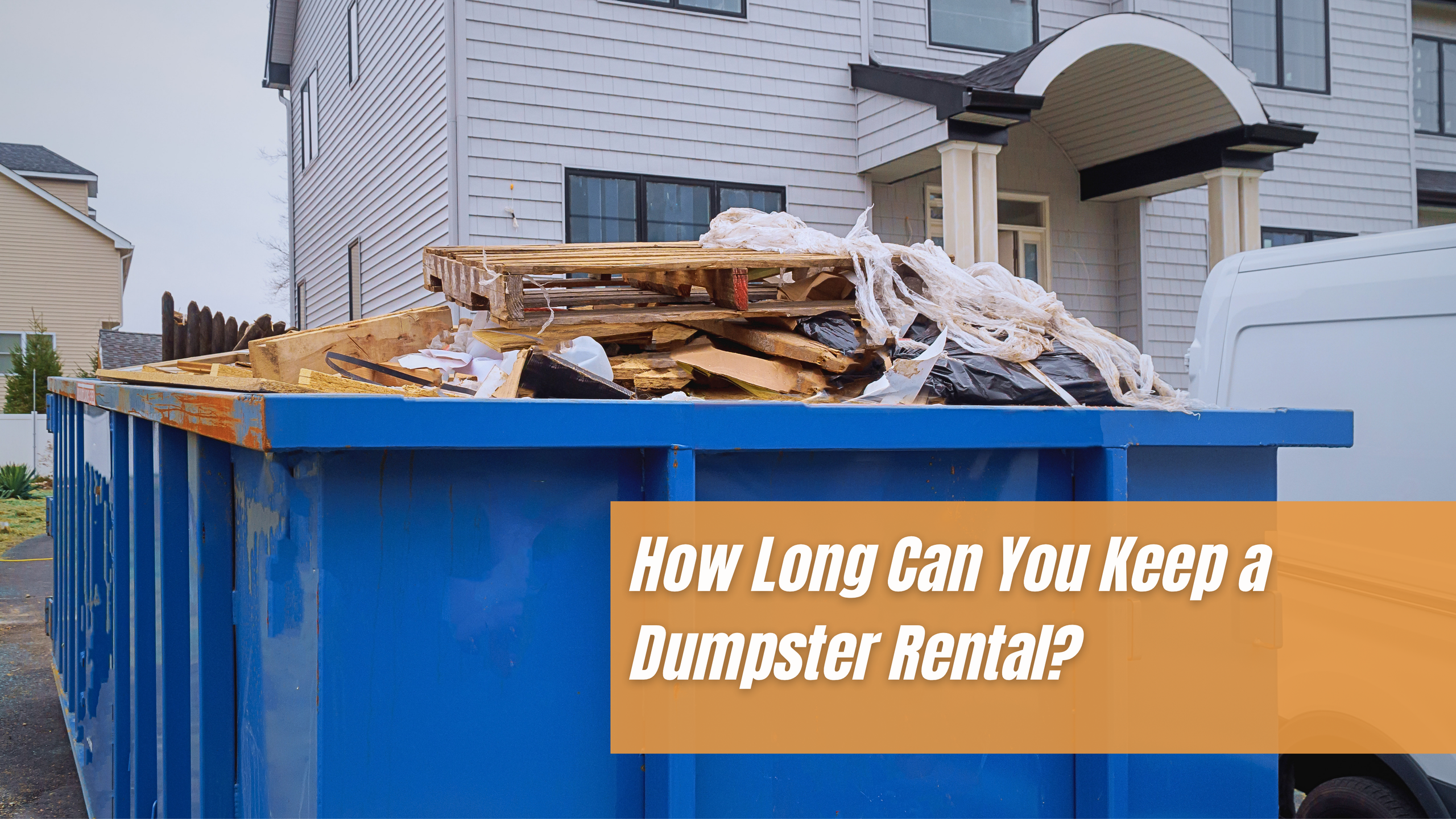
Renovation projects in older multi-unit buildings near the Towne Center generate debris over a span of days — demolition material, old flooring, cabinetry, drywall, plumbing fixtures. A single haul-away trip doesn’t work for that project type; a roll-off that stays on-site through the duration of the work does.
Same-day dumpster rental availability means the container can be on-site when the renovation starts rather than waiting days for a delivery window. The rental period is set to match the project timeline, and pickup is scheduled as soon as the container is full and the project wraps.
Commercial Buildout Debris and Tenant Improvement Projects
Tenant improvement projects in the Lakewood Towne Center retail corridor generate significant debris: demolished partition walls, suspended ceiling grid, old flooring, discarded fixtures and millwork, and the accumulated junk that accumulates in storage areas before the renovation starts. A dumpster rental placed in the building’s loading area or adjacent parking keeps that debris contained and off the sidewalk through the buildout period.
Licensed and insured dumpster rental means the placement and pickup happen under coverage, and the property isn’t left exposed if the container causes incidental damage during delivery or retrieval.
Weight Limits and Prohibited Materials
Dumpster rentals come with weight limits and restrictions on certain materials — concrete, soil, and hazardous waste typically require separate handling. For mixed renovation and cleanout debris from standard residential or commercial spaces, a standard roll-off covers the load. Knowing what’s going in before the dumpster is ordered ensures the right container gets delivered for the project’s actual material.