Milton’s compact, densely built neighborhoods present specific challenges when a hoarding cleanup is needed. The city’s housing stock — primarily single-family homes from the 1960s through the 1990s — was built on modest lots with limited interior square footage. In those conditions, accumulation fills available space rapidly: pathways narrow, rooms lose function, and the boundary between lived-in space and storage collapses entirely. When a property reaches the point where cleanup is necessary, it typically requires a structured approach rather than a simple junk haul.
What Full-Condition Clearing Looks Like in a Small City
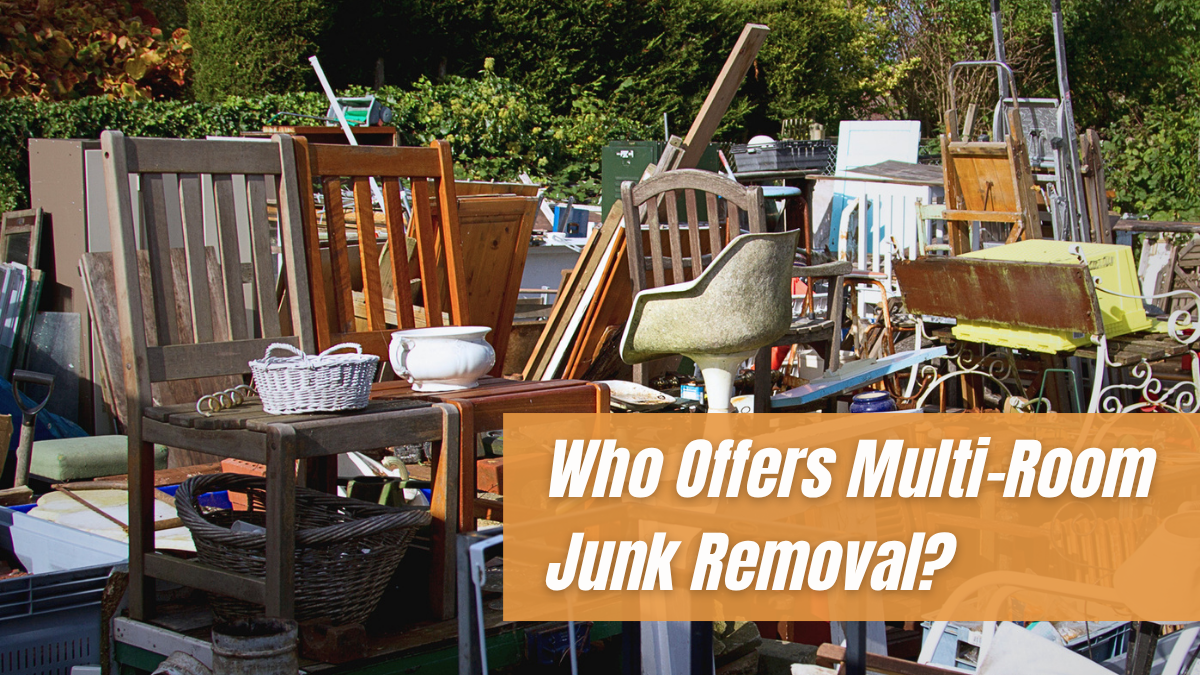
Hoarding cleanup in Milton differs from a standard junk removal job in scale, scope, and approach. A property in full hoarding condition may have accumulated materials across every room, with pathways reduced to single-file width and items stacked to ceiling height in some spaces. Getting from the front door to the back of the house requires navigating that accumulation carefully — not just for efficiency but to avoid disturbing structural items or hazardous materials buried in the pile.
The process starts with a full walkthrough to understand the scope before removal begins. Every area is assessed — living spaces, bedrooms, kitchen, bathrooms, garage, and any exterior accumulation — so that flat-rate pricing reflects the actual volume before work starts, not a number that grows as each new room gets opened.
Older Homes and What Accumulates Over Time
Many of Milton’s long-term homeowners have lived in their properties for decades. In cases where a hoarding condition has developed, the accumulation often spans that same timeframe — which means the contents of the home are layered across thirty or forty years of acquisition. Items from the 1980s sit beneath items from the 1990s, beneath items from more recent years.
Working through that kind of layered accumulation is slower and more deliberate than clearing a recently filled space. Each layer reveals what’s underneath, and the condition of older materials — cardboard, fabric, wood — may have degraded in ways that create handling challenges. Licensed and insured service means the work proceeds under coverage as those conditions are discovered.
Discreet Service in Close-Knit Neighborhoods
In a city as compact as Milton, neighbors notice activity. Hoarding cleanup involves moving large quantities of material from a property, often in multiple loads, which generates visible activity on the street. Discretion in how that work is conducted matters to residents who value their privacy and to families managing a cleanup on behalf of a relative.
The job gets done without unnecessary commentary, without lingering staging, and without drawing more attention than the work itself requires. The goal is a cleared property, not a spectacle.
When the Cleanup Is a Family Decision
A significant share of hoarding cleanups in Milton involve family members — adult children organizing a cleanup on behalf of an aging parent, siblings coordinating after a relative can no longer manage the property, or family members intervening before a situation escalates into a health or housing code issue.
Same-day availability means that when a family has made the decision and everyone is ready to move forward, the work can begin immediately. That timing matters: once the decision is made, delays can make it harder for everyone involved. Flat-rate pricing gives families a clear cost number to work with before the day starts.
Properties That Return to Usable Condition
The end state of a hoarding cleanup is a property that has regained its function — rooms accessible, surfaces cleared, and the home ready for whatever comes next. In Milton, that next step might be the resident returning to a more manageable living situation, a pre-sale preparation, a family transferring the property, or a landlord reclaiming a rental unit.
Regardless of what follows the cleanup, the cleared property reflects the full scope of what was removed. Every area that was addressed gets left clear, not just the most visible spaces.