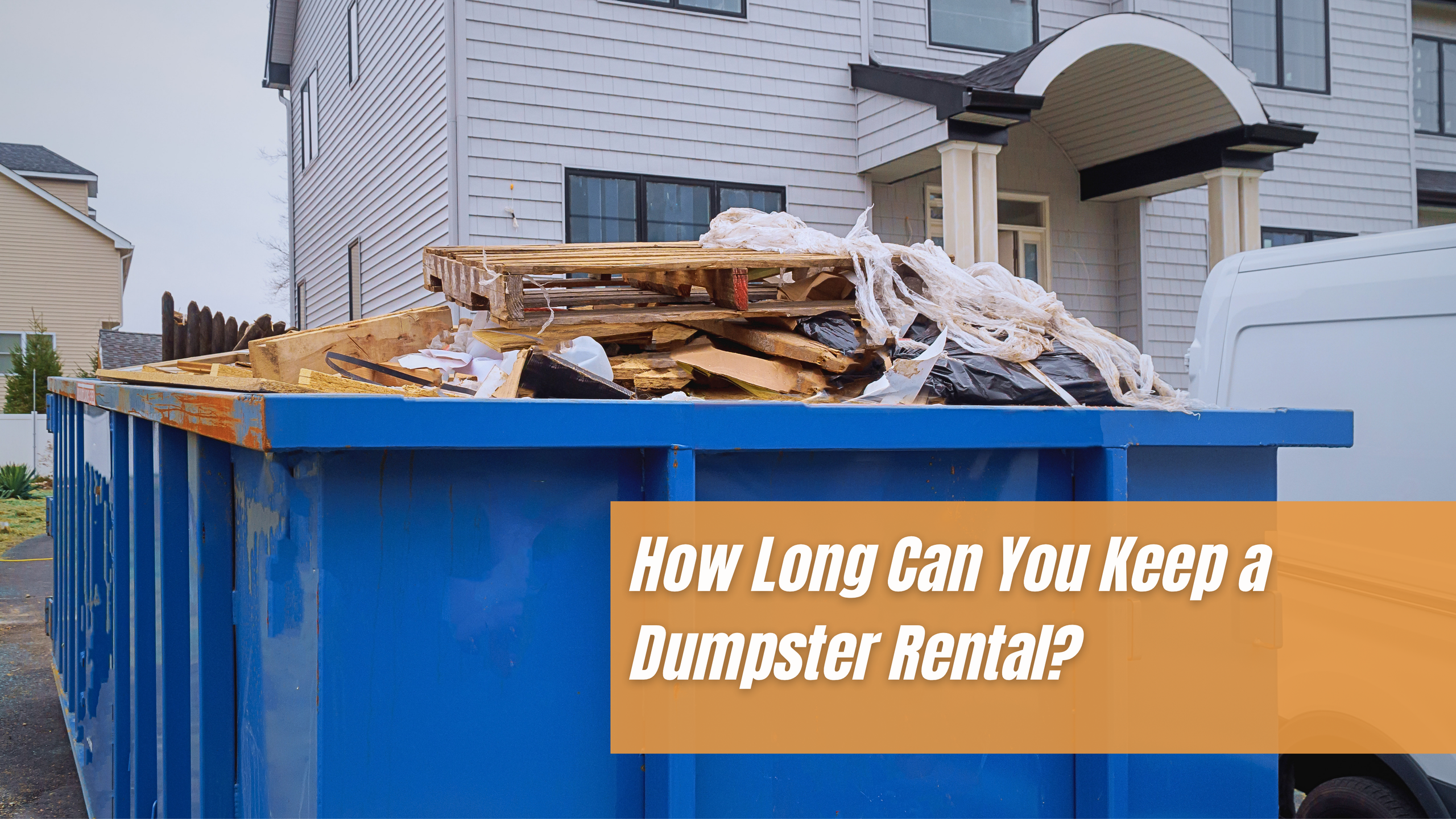
Yard debris removal in Milton comes up frequently in a city where the lots are compact and the housing stock is older. Trees and shrubs that were planted in the 1970s and 1980s are now mature — some past their useful lifespan — and the debris they generate through normal maintenance, storm events, and removal projects accumulates faster than green waste carts can absorb. In close-knit neighborhoods where yard space is already limited, a pile of branches or a stack of bagged clippings sitting on the lawn becomes a problem quickly.
Green Waste Carts and What They Can’t Handle
Pierce County green waste collection handles weekly clippings and modest yard maintenance volumes. What it doesn’t handle: large branch piles from a tree trimming project, root balls from shrub removal, sod cut from a lawn renovation, or the concentrated debris from a yard that’s been cleared of overgrowth after years of neglect.
Yard debris removal that operates on a same-day schedule moves that material off the property the day the work gets done or the day after — not at the next available green waste pickup, and not by staging it in the driveway for weeks while waiting for a hauler’s availability window. Flat-rate pricing applies to the full volume, with the rate confirmed before any loading begins.
Tree and Shrub Work on Small Lots
Mature trees in Milton’s older neighborhoods create regular debris management situations: dropped branches after wind events, large limb removals ordered by arborists, and full tree takedowns that leave a significant volume of wood and brush to dispose of. On a small residential lot, that debris has nowhere practical to go once it hits the ground.
The same constraint applies to shrub removal. An overgrown hedge or a line of laurels removed as part of a yard renovation produces a volume of woody debris that far exceeds what clippers and a green cart can manage. Yard debris removal handles that full volume — branches, brush, root systems, and bagged clippings — in a single job.
Storm Cleanup in a Compact City
Milton’s position in the South Sound region means it sees the same fall and winter storm events as the broader Pierce County area — wind events that down branches, heavy rains that saturate and topple trees, and extended wet seasons that accelerate decay in older landscaping. When a storm event drops significant material across a yard, the cleanup needs to happen promptly.
In a city as compact as Milton, a downed branch that extends into the neighbor’s yard or blocks a shared side passage isn’t just an inconvenience — it’s a coordination issue. Same-day yard debris removal means the material gets cleared the day the job is scheduled, resolving both the debris problem and the neighbor situation simultaneously.
Pre-Sale Yard Clearing and Curb Appeal
In Milton’s pre-sale market, yard condition carries significant weight. A yard that reads as overgrown, debris-heavy, or neglected sends a signal to buyers before they step inside the house. Mature landscaping that hasn’t been managed — dead branches still attached to shrubs, leaves layered across planting beds, piles of accumulated organic material in back corners — makes a listing look as though the property as a whole has been deferred.
Pre-sale yard debris removal addresses that condition directly. The overgrowth gets cleared, the accumulated debris gets removed, and the yard presents cleanly. Licensed and insured service means that clearing work proceeds under coverage even when large or heavy debris is involved.
Long-Neglected Yards and Estate Properties
Properties in Milton that are entering estate clearance or transitioning after a long-term occupancy often have yards that reflect years of reduced maintenance. Overgrown shrubs, self-seeded trees growing where they weren’t planted, deteriorated fencing buried in vegetation, and accumulated leaf matter several inches deep in planting beds are all conditions that come with a property that hasn’t been actively maintained.
Yard debris removal for a long-neglected Milton property is a larger-scope job than a post-trimming cleanup — it requires assessing the full yard footprint, identifying what needs to leave, and removing it in full. Flat-rate pricing reflects that scope before any work begins so the cost is clear from the first conversation.